
Reviewed · LOS ANGELES MUSEUMS AND GETTY TOURS
Natural History Museum of Los Angeles County Admission
The biggest draw here is the Dinosaur Hall, where more than 300 fossils and 20 complete skeletons turn prehistoric life into something much larger than a picture in a schoolbook. You can also see a T. rex growth series, watch paleontologists at work in the Dino Lab, and add the Dinosaur Encounters show if you want a more scheduled presentation.
I like the museum’s range. One moment you are looking at a mammoth skeleton, and the next you are examining a diamond, touching a crystal, or learning about creatures found around Los Angeles. I also like the family-friendly hands-on areas, including a fossil dig table and the Nature Lab.
The main drawback is practical rather than scientific: parking can be expensive and far away, especially when an event is taking place at the nearby stadium or other local venues. Public transportation may save money and frustration. Inside, plan on plenty of walking, and three hours is enough for a good visit but not every label and room.
Key points to know before you go
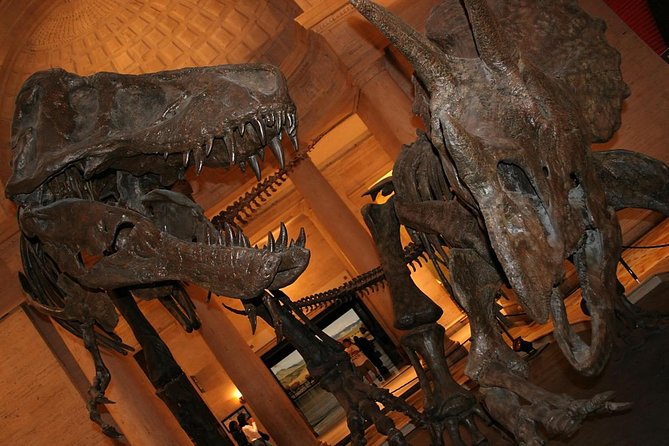
- More than 300 fossils fill the Dinosaur Hall, including 20 complete skeletons and a rare T. rex growth series.
- The $18 admission covers the main museum areas, including Dinosaur Hall, the Diorama Halls, Nature Gardens, Nature Lab, and Gem and Mineral Hall.
- Dinosaur Encounters costs extra, with add-on tickets available at the museum.
- The cat exhibition is separate, and the listed run is July 13 through February 18, 2026.
- Three hours works for a focused visit, but the museum is large enough to reward a longer afternoon or a return trip.
- Parking needs advance thought, since lots can be costly, distant, or affected by events next door.
Why the Dinosaur Hall deserves first priority
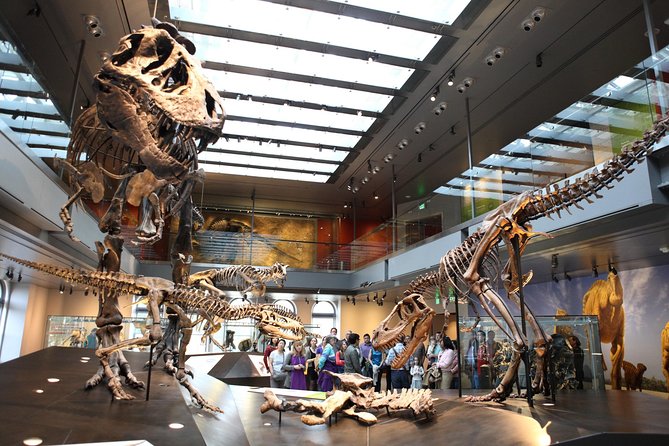
If you are visiting with children, start with the dinosaurs. The museum gives you plenty to see before young attention spans begin to fade, and the scale of the skeletons does much of the teaching on its own.
The hall includes more than 300 fossils and 20 complete skeletons. That matters because you are not looking at one isolated dinosaur and a few wall panels. You get a broader sense of how paleontologists piece together a vanished world from bones, teeth, and fragments.
A particularly unusual feature is the T. rex growth series. Instead of showing only the famous adult predator, the exhibit looks at how this animal changed as it grew. That makes the display useful for children and adults who already know the basic dinosaur story but want something more specific.
The Dino Lab offers a behind-the-scenes look at paleontologists working with specimens. The exact activity you see may depend on the day, but the value is clear: the museum connects the finished skeleton in the gallery with the careful work needed to study and prepare fossils.
You can also virtually excavate specimens. That gives younger children a task instead of asking them to simply walk from case to case. A fossil dig area and hands-on displays are especially helpful for preschool and elementary-age children, who often learn best by doing.
The optional Dinosaur Encounters show is not part of the standard ticket. If your family wants a more theatrical or scheduled dinosaur experience, ask about add-on tickets when you arrive. If you are satisfied with the hall itself, the included exhibits already provide a substantial visit.
More museums and galleries in Los Angeles:
- Los Angeles: Petersen Automotive Museum Entry & Vault Access
★ 4.8 · 264 reviews - Los Angeles: Battleship Iowa Museum Ticket
★ 4.6 · 249 reviews - La Brea Tar Pits and Museum Admission Ticket with Excavator Tour
★ 4.5 · 193 reviews
From ancient mammals to African dioramas
The museum’s broader story reaches across 65 million years of life on Earth. This section is less focused than the Dinosaur Hall, but it gives the visit needed context. Dinosaurs are exciting, yet they are only one chapter in a much longer story.
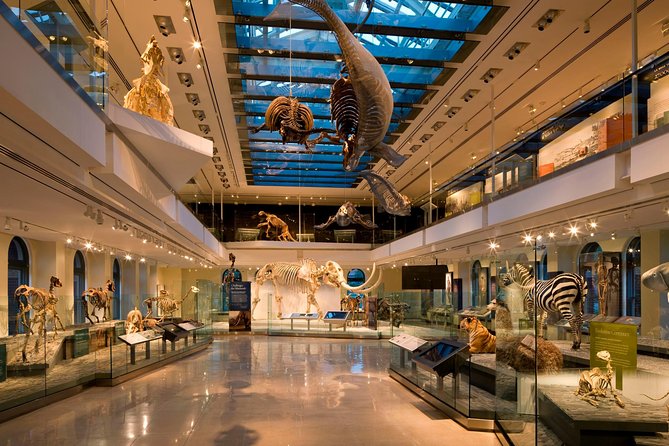
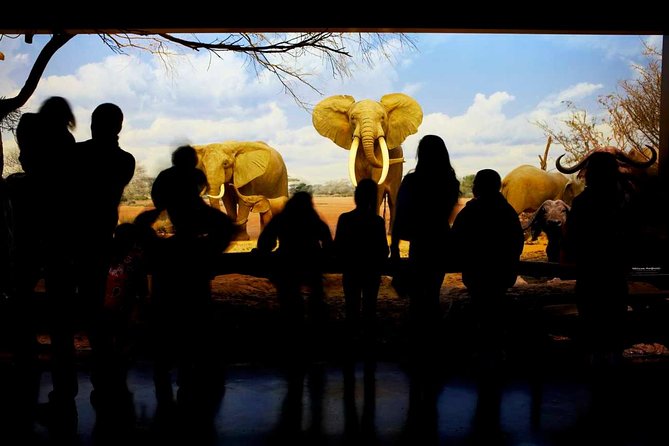
You can see mastodon and whale skeletons, animal dioramas from North America and Africa, and more than 240 specimens in the evolutionary displays. The skeletons help you compare size and structure, while the dioramas show animals in settings that make their behavior easier to understand.
This area can work well for mixed-age groups. Children may head straight for the biggest bones, while older children and adults can spend more time reading about evolution and animal life. You do not need to study every label to get something from it.
I would use this section as a bridge between the dinosaurs and the museum’s living collections. It shows that natural history is not only about extinct creatures. It also asks how animals adapt, how species change, and how humans fit into the larger story.
The only issue is time. With so many halls, it is easy to hurry through the dioramas in an effort to reach the next highlight. If you have three hours, choose a few displays to read carefully rather than trying to absorb every specimen.
The Gem and Mineral Hall adds sparkle without losing substance
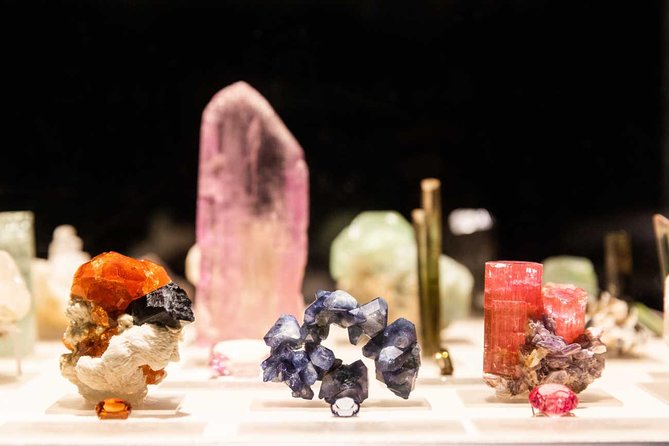
The Gem and Mineral Hall provides a welcome change of pace after the skeletons and animal displays. More than 2,000 specimens include diamonds, rubies, sapphires, gold, and other minerals.
Children often respond to the color and shine first. Adults may find more interest in the difference between a polished stone and a natural mineral specimen. The hall also includes a vault with valuable examples, giving the collection a different mood from the large animal galleries.
One useful feature is that this section works for visitors who are not especially interested in fossils. If one member of your group prefers geology, jewelry, or visual displays, the mineral hall gives that person a strong reason to enjoy the museum too.
You may also find hands-on elements elsewhere in the museum, including opportunities for children to examine a real crystal. That sort of contact helps turn an abstract science lesson into a physical memory.
Do not treat this as a quick hallway on your way out. It is one of the more visually striking parts of the museum, and it makes a good stop when younger children need a break from reading about evolution.
Becoming Los Angeles connects science to the city
The Becoming Los Angeles exhibit shifts the focus from natural specimens to the city itself. It explains how Los Angeles developed from a pueblo into a large modern metropolis.
That local angle is valuable because it gives your museum visit a stronger sense of place. You are not only learning about distant animals or prehistoric life. You are also looking at the human story of the city outside the museum doors.
For a first visit to Los Angeles, this can help fill a gap left by more familiar attractions. Hollywood, beaches, and theme parks show one side of the city. This exhibit adds background about how Los Angeles grew and changed.
I would give this section extra time if you have already seen the major dinosaur displays elsewhere or if you want more than a child-focused outing. It helps balance the museum’s large collections of bones and minerals with a story about people, development, and the city’s identity.
More attraction passes and tickets in Los Angeles:
- Universal Studios Hollywood General Admission Ticket, California
★ 4.0 · 1,489 reviews - Madame Tussauds Hollywood Tickets
★ 4.6 · 516 reviews - Skip the Ticketing Line: Aquarium of the Pacific General Admission Ticket
★ 4.5 · 485 reviews - Battleship IOWA General Access Pass
★ 5.0 · 269 reviews
Nature Lab and Nature Gardens show the local side of natural history
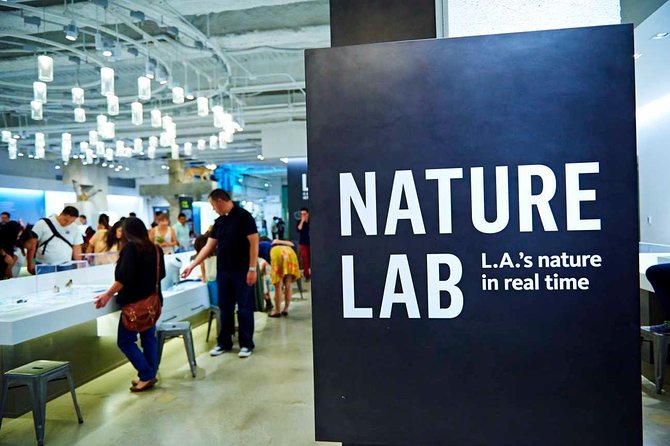
The Nature Lab focuses on creatures found around Los Angeles. It is a useful reminder that natural history is not limited to faraway jungles, African animals, or extinct monsters.
You can look for local animals and learn about the species that share the city with you. That makes this area especially good for children who ask where animals live now, rather than only what lived millions of years ago.
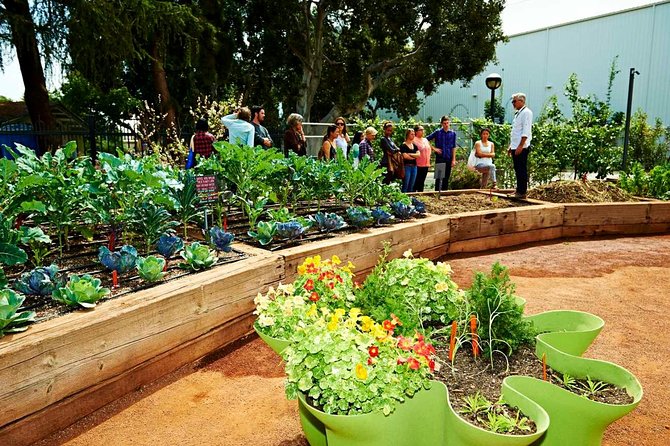
Outside, the Nature Gardens display native plants. This offers a quieter change after the indoor galleries and provides a direct link to Southern California’s own plant life. The gardens also give you a reason to step away from the displays without leaving the museum experience behind.
The local focus is one of the admission’s best values. You can visit many museums to see dinosaurs, but fewer connect fossils, living creatures, native plants, and the development of Los Angeles in one afternoon.
A practical three-hour plan
The advertised visit lasts about three hours, and that is a realistic target for a focused first visit. You can cover the major areas without rushing badly, but you will not read every label or see every detail.
I would begin with the Dinosaur Hall. It is likely to be the busiest family draw, and arriving near opening time can make the first part of your visit calmer. The museum is open daily from 9:30 a.m. to 5 p.m., according to the supplied schedule.
Next, move through the evolutionary displays and dioramas. Choose the larger skeletons and the animals that interest your group most. If children are along, leave time for the interactive elements rather than spending the whole visit in text-heavy galleries.
After that, visit the Gem and Mineral Hall. It is visually different enough to refresh everyone’s attention. Finish with Becoming Los Angeles, the Nature Lab, and the Nature Gardens, or move those local exhibits earlier if they matter more to you than the minerals.
A longer visit is possible and may be worthwhile. The museum is larger than its exterior first suggests, and one family found that two days would be needed to read and enjoy everything fully. You do not need two days for a satisfying introduction, but do not plan this as a quick one-hour stop.
When to go, and how to handle the crowds
Early arrival is a sensible choice. One visit beginning around 10:30 a.m. was described as fairly quiet, with more people arriving after lunch. That pattern makes a morning visit useful if you want clearer views of the most popular displays.
School groups can change the feel of the day. A busy class visit may make it harder to stand close to certain exhibits, especially in the children’s areas. If you have flexible timing, a weekday morning may give you more breathing room.
The museum is air-conditioned, which can be welcome on a hot Los Angeles day. Bring a light layer if you tend to feel cold indoors, though this is a comfort issue rather than a major concern.
Expect to walk. The building has many rooms and displays, and several people found that the visit involved more walking than expected. Seniors or anyone with limited mobility should think carefully about the distance from parking and the time spent moving through the galleries.
Parking is the biggest source of frustration
The museum is near public transportation, and using it can be the simplest choice. Parking is limited in the area, and the standard cost cited in the experience information and visitor notes reached about $20, with event-day rates reported as much higher.
The nearby stadium is important here. Concerts and games can fill parking areas, push available spaces several blocks away, and create a much more expensive arrival. One difficult visit involved parking four blocks away at a cost of about $40, while another included an unexpected early museum closure connected to a special event.
Check the local event calendar before you leave. This is particularly important if you are visiting with an older relative, a stroller, or a young child. A long walk from a distant lot can change a relaxed museum afternoon into a tiring one.
The mobile ticket is convenient once you reach the entrance. Confirmation is provided at booking, and the experience allows service animals. Bookings are limited to a maximum of nine people, which suits families and small groups.
Food, breaks, and family comfort
Three hours can pass quickly, especially with children. The museum has a café, but one useful practical lesson is that food lines may be long and prices may feel high. Bringing your own snacks or lunch can make the day easier if museum rules allow it.
Plan a break before everyone is tired. The Nature Gardens can provide a change from indoor rooms, while the café offers a place to pause. You may also want to divide the visit into clear sections so younger children know what comes next.
This is a strong family choice because the museum offers several ways to stay involved. Large dinosaurs appeal to children who like dramatic displays, the dig table gives them something to do, and the crystals and animals provide visual variety.
Adults without children are not left out. The evolutionary displays, mineral collection, local Los Angeles exhibit, and careful fossil work in the Dino Lab give the museum enough substance for solo visitors and couples. It is also a sensible indoor plan on a hot day.
What the $18 ticket really buys you
At $18 per person, the admission offers good value if you plan to spend at least three hours inside. The ticket includes the Dinosaur Hall, Diorama Halls, Gem and Mineral Hall, Nature Gardens, and Nature Lab, along with the museum’s wider permanent collections.
The price is especially fair for a family that wants several types of activity in one place. You are not paying only for a single dinosaur room. You also get geology, local wildlife, native plants, Los Angeles history, and evolutionary displays.
The value drops if you arrive late, encounter a major event, or only want one small section. Parking can add a noticeable amount, and special programs cost extra. Dinosaur Encounters requires a separate ticket, and the Fierce! The Story of Cats exhibition also requires an add-on ticket.
The listed cat exhibition runs from July 13 through February 18, 2026. It covers cats from saber-toothed species to household pets, with displays about behavior, evolution, biology, and their connection with humans. Check the current date and on-site availability before planning your visit around it.
Free cancellation is available up to 24 hours before the experience start time. Cancellations made within 24 hours are not refunded, and changes inside that period are not accepted.
Who should book this museum visit?
I would choose this admission for families with children, dinosaur fans, first-time Los Angeles visitors, and anyone wanting an educational indoor activity with enough variety to fill an afternoon.
It also works for solo visitors and couples who enjoy museums but do not want a guided schedule. You can move at your own pace and decide how much time to give each hall.
I would be more cautious if parking is your only transportation option, if you have difficulty walking several blocks, or if your schedule allows less than two hours. In those cases, check for stadium events and confirm the museum’s hours before setting out.
Should you book the Natural History Museum?
Yes, if you want more than a quick dinosaur photo. The $18 main admission covers a broad set of exhibits, and the Dinosaur Hall alone gives children a memorable reason to visit. The minerals, local wildlife, gardens, and Los Angeles history keep the experience from feeling one-note.
Book it as a half-day outing, not a brief stop between attractions. Use public transportation if practical, arrive in the morning, check nearby event schedules, and treat the optional shows as extras rather than required parts of the visit. With those precautions, this is one of the better-value museum activities for a family day in Los Angeles.
FAQ
How long should I plan to spend at the museum?
The visit is listed as approximately three hours. You can see the main highlights in that time, but the museum is large enough that a longer visit lets you read more labels and explore additional rooms.
What does the $18 admission include?
The ticket includes admission to the Natural History Museum of Los Angeles County, the Dinosaur Hall, Diorama Halls, Gem and Mineral Hall, Nature Gardens, and Nature Lab. Taxes, fees, and handling charges are included.
Are the Dinosaur Encounters show and cat exhibition included?
No. Dinosaur Encounters requires a separate add-on ticket available on site. The Fierce! The Story of Cats exhibition also requires a separate ticket purchased at the museum.
What are the museum’s opening hours?
The listed opening hours are 9:30 a.m. to 5 p.m., Monday through Sunday. Special events can affect hours, so check before your visit.
Is parking available at the museum?
Parking is available in the surrounding area, but it can be limited and costly. Event days near the stadium can push parking farther away and increase prices. Public transportation is an alternative because the museum is near transit.
Can I cancel the admission for a refund?
You can cancel up to 24 hours before the experience start time for a full refund. Cancellations or changes made less than 24 hours in advance are not refunded or accepted.
More history tours in Los Angeles
- The History and Architecture of Downtown Los Angeles
★ 5.0 · 94 reviews - Downtown Los Angeles History and Architecture Walking Tour
★ 5.0 · 93 reviews - Malibu: Celebrity Homes, Beaches & History Tour
★ 4.7 · 86 reviews - The History and Architecture of Downtown Los Angeles
★ 5.0 · 66 reviews
Just added around Los Angeles
- Photo Tour of Los Angeles for Social Media★ 5.0 · 11 reviews
- Pacific Coast Highway: Smartphone Audio Tour, LA to Santa Maria★ 4.0 · 13 reviews
- Pasadena Puzzle Adventure: Stop the Bomb!★ 3.5 · 5 reviews
- Outdoor Escape Room in LA – Little Tokyo★ 5.0 · 7 reviews
- 3.5-Hour LA Story Tour: Our Most Popular Los Angeles Tour!★ 5.0 · 4 reviews
- 2 Day Beginner Surf Adventure★ 5.0 · 26 reviews
- Getty Center Tours for KIDS and FAMILIES!★ 5.0 · 5 reviews
- Private 3-Hour Hollywood to Beverly Hills Tour★ 5.0 · 5 reviews
Los Angeles Museums and Getty Tours, compared.
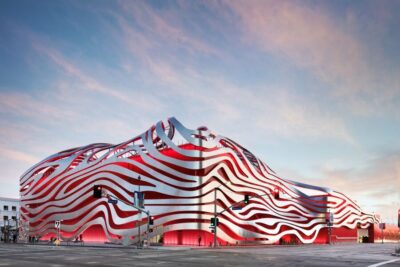
Petersen Automotive Museum Entry & Vault Access
Read our review →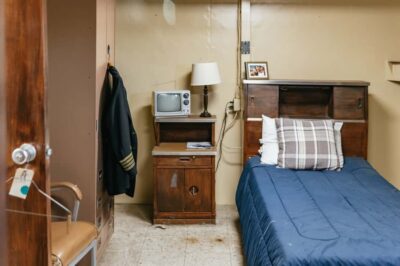
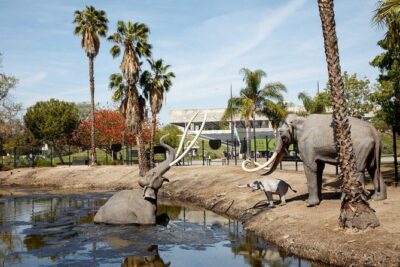
La Brea Tar Pits and Museum Admission Ticket with Excavator Tour
Read our review →
Private Getty Center to Griffith Observatory Guided Tour
Read our review →

Hollywood Medieval Torture Museum Ticket with Ghost Hunting
Read our review →
Browse the lists this tour appears in