
Reviewed · DOWNTOWN LOS ANGELES TOURS
Los Angeles: Downtown History & Architecture Walking Tour
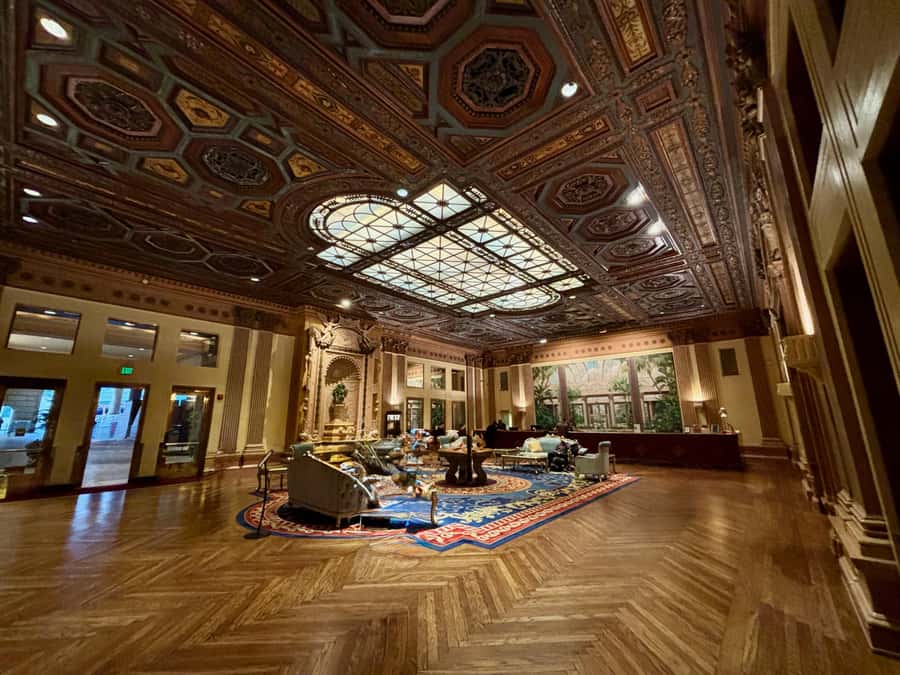
Downtown Los Angeles reveals its best stories through its buildings, and this tour knows where to look. In 150 minutes, you move from the Central Library and Bunker Hill to Angels Flight, Grand Central Market, the Broadway Theater District, the Bradbury Building, and the Last Bookstore. The route connects movie history with the city’s changing streets.
I like the conversational guide style, especially if you enjoy asking why a building looks the way it does instead of simply hearing dates. I also like the Belgian guide’s outside perspective, which adds a useful comparison between American and European ideas about streets, public space, and urban design. The main consideration is practical: this is a fairly active walking tour, and the advertised time may run longer.
Key points
- Architecture with a social story: See Art Deco, Beaux-Arts, and Modernist design while discussing the forces that shaped Los Angeles.
- A strong film connection: The Broadway theaters and other downtown locations link the walk to Chaplin, JFK, Michael Jackson, Taylor Swift, and Jisoo.
- Excellent photo stops: The Bradbury Building and the Last Bookstore give you two of DTLA’s most distinctive interiors and settings.
- A guide who welcomes discussion: Mark, identified in one detailed review, brings enthusiasm for architecture, city planning, and old Hollywood.
- Good value at $30: A two-and-a-half-hour private or small-group style experience covers a lot of central DTLA on foot.
- Plan for the pavement: Comfortable shoes, water, sunscreen, and weather-appropriate clothing matter here.
Why this DTLA walk is more than a building tour
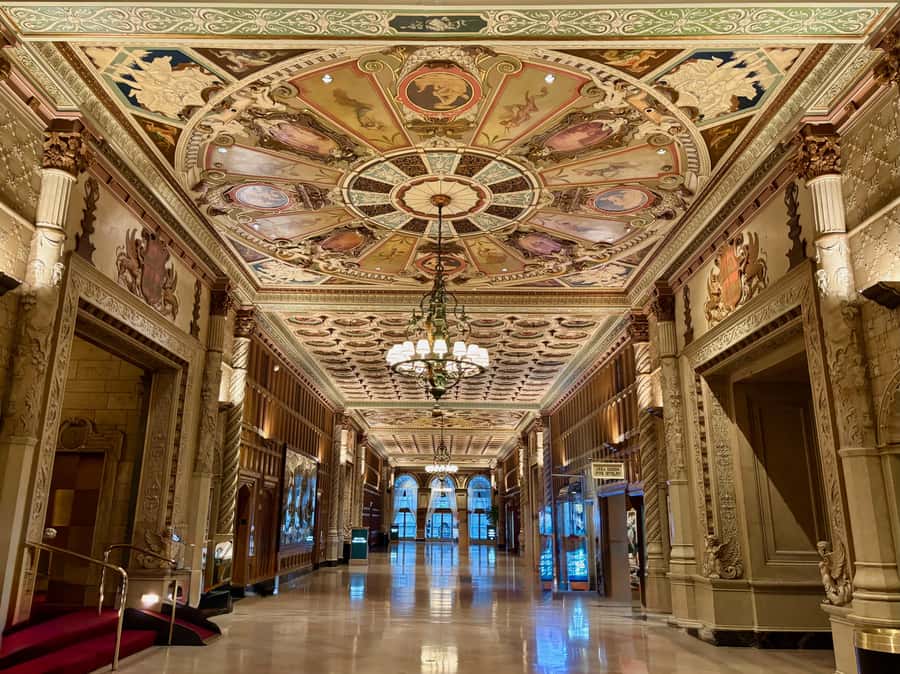
Many Los Angeles tours chase celebrity addresses or film locations. This one uses those hooks, then asks better questions. Why did downtown lose importance and later begin to revive? How do grand theaters, department-store facades, public transit, and new creative spaces fit together? What does a city gain or lose when old buildings are reused?
That approach gives the walk more substance than a quick photo circuit. You still get attractive architecture and movie connections, but you also consider politics, urban design, public space, and the people who built the city. The Belgian guide’s perspective is useful here. You hear Los Angeles explained by someone who knows the district well but can also compare it with cities elsewhere.
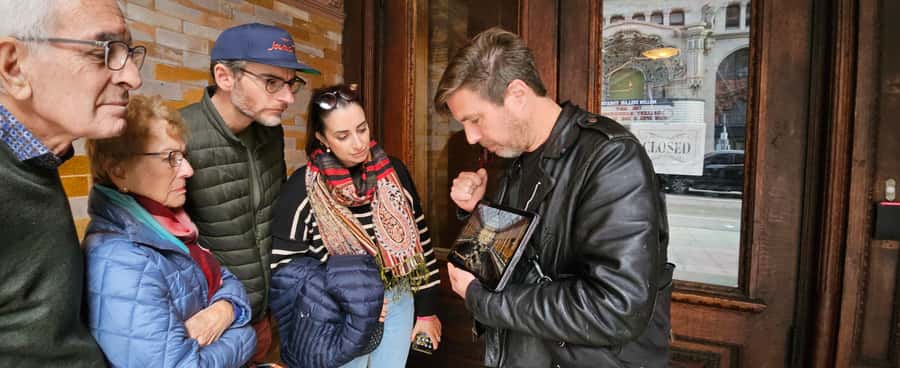
The tone is designed to be interactive rather than lecture-like. Your questions can shape the conversation, and the guide can spend more time on architecture, film, local history, or the future of DTLA depending on your interests. That flexibility worked particularly well for architecture-minded visitors and for Los Angeles residents who wanted a fresh way to look at familiar streets.
More Downtown LA tours in Los Angeles:
- Downtown Los Angeles Food Tour
★ 5.0 · 501 reviews - Old and New Downtown Los Angeles Walking Tour
★ 5.0 · 222 reviews - Culture and Arts Tour of Downtown LA with Angels Flight Ticket
★ 5.0 · 142 reviews
Starting near the Central Library or Grand Central Market
You can begin at either the Los Angeles Central Library, beside the 7th Street Metro station, or the Grand Central Market parking garage, depending on the option you book. The Metro connection is a real advantage. You do not need to deal with a long cross-town taxi ride just to reach the meeting point.
The Central Library makes a fitting start. It introduces the city’s civic ambitions and its interest in grand design before you head into older commercial and entertainment districts. The Grand Central Market option may suit you better if you are already eating downtown or parking nearby.
Check your exact meeting point before setting off. The two options are close within central DTLA, but they are not the same corner. Wear shoes that can handle a sustained urban walk, and bring water, a hat, sunscreen, and a camera.
Bunker Hill and the city’s changing identity
Bunker Hill provides an early lesson in how quickly Los Angeles can change. Once an affluent residential area, it now reflects several periods of redevelopment and modern city planning. The guide uses this part of the route to show how downtown’s identity has shifted over time.
This is where the tour’s wider angle begins to pay off. Instead of treating architecture as decoration, you look at how streets and buildings respond to money, transport, politics, and public taste. You may discuss what happens when older areas are cleared, rebuilt, or given a new purpose.
The information supplied for the tour does not promise entry into every building, so expect a mix of guided visits, exterior viewing, and walking commentary. That is normal for a downtown architecture route. The value lies in having the guide point out details you might pass without noticing and explain how separate sites connect.
Angels Flight and a compact piece of Los Angeles
Angels Flight Railway is one of the route’s most recognizable stops. The short railway links the lower part of downtown with Bunker Hill and gives the tour a clear visual example of how steep terrain shaped the city.
The guide treats it as more than a quick photo stop. Its location helps you understand the relationship between downtown streets, hillside development, and the city’s changing transport needs. You also get a break from looking only at facades and can consider how people actually moved through this part of Los Angeles.
The itinerary lists a guided visit and sightseeing stop, but it does not state that a ride is included. Do not book this walk expecting a guaranteed railway journey unless your confirmation says so. Think of Angels Flight as part of the story and route.
More walking tours in Los Angeles:
- Los Angeles Original 90-Minute Walking Tour to The Hollywood Sign
★ 5.0 · 693 reviews - LA: Express Hollywood Sign Guided Walking Tour with Photos
★ 4.9 · 310 reviews - Haunted Hollywood Walking Tour: True Crime and Creepy Tales
★ 5.0 · 299 reviews - Los Angeles: Hollywood Sunset Walking & Hiking Tour
★ 5.0 · 230 reviews
Grand Central Market brings the city down to street level
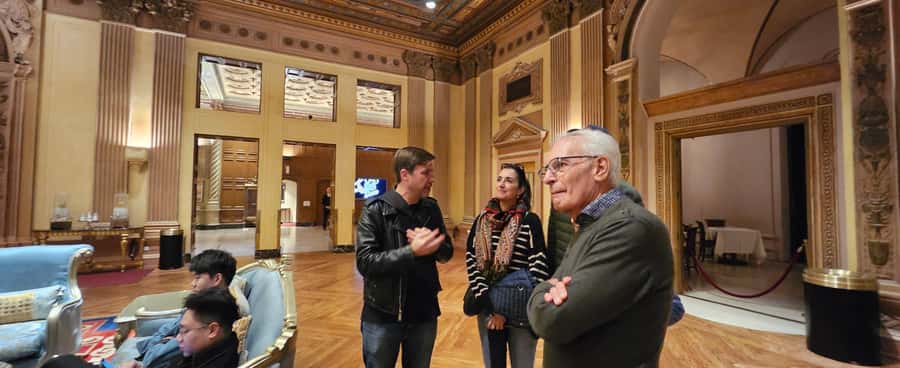
Grand Central Market adds a welcome change of pace. After the monumental buildings and formal streets around Bunker Hill, the market shows downtown as a place for everyday eating, meeting, and movement.
The scheduled walk through this area is about 10 minutes. That is enough for context and orientation, but not a full food tour. If you want to eat, you may need to return later or arrive early. The tour’s focus remains the way the market fits into DTLA’s commercial life.
This stop also helps balance the grand architecture. Los Angeles is not only its movie palaces and landmark buildings. It is also counters, shops, public space, and the constant exchange between old businesses and newer downtown energy. I appreciate that the route includes both the polished and the practical sides of the district.
Broadway’s theaters and the movie-city connection
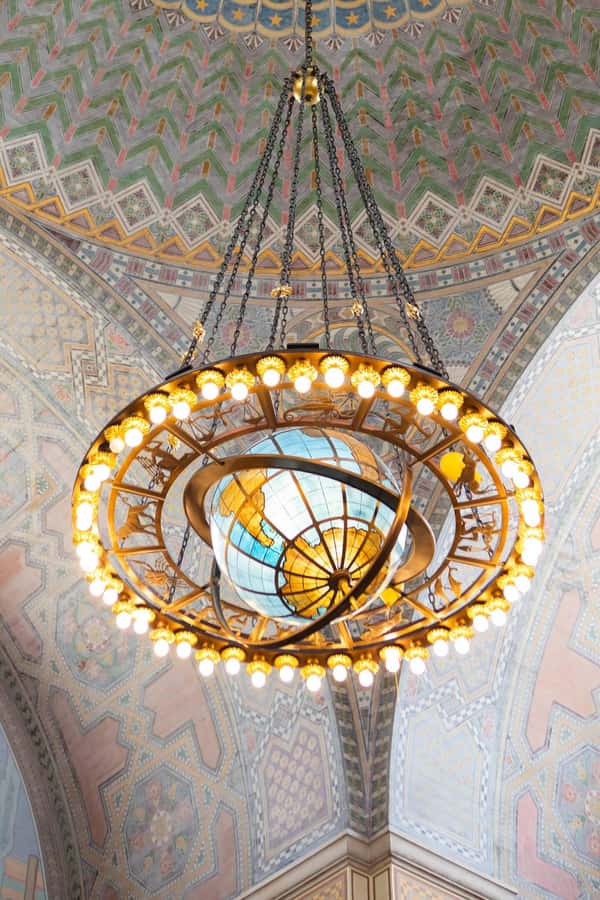
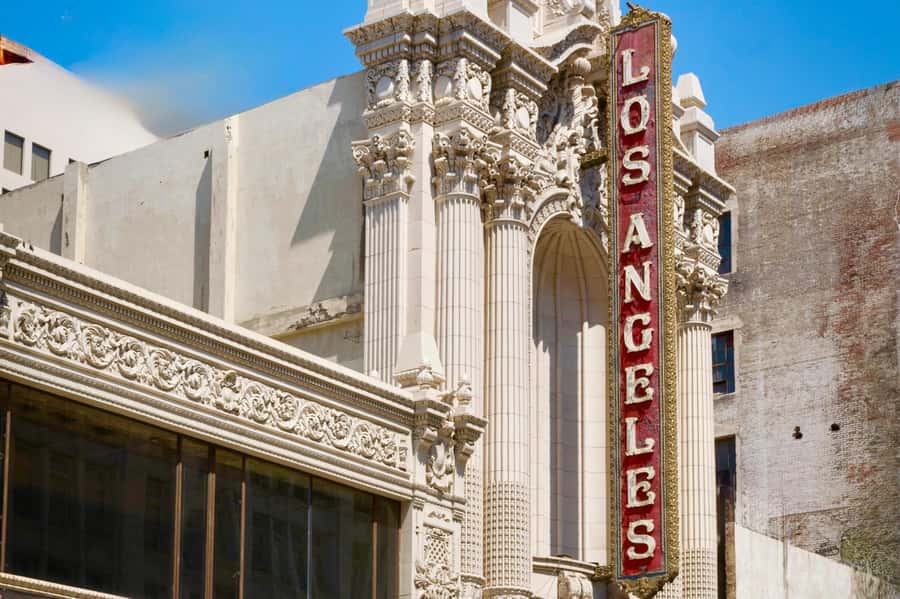
The Broadway Theater District is one of the tour’s strongest sections. The area has the world’s highest concentration of movie palaces, and the buildings preserve the glamour of Los Angeles’s earlier entertainment era.
You examine theater exteriors, grand commercial fronts, and the traces of a time when Broadway served as a major business and entertainment center. The guide connects these places with the film culture that helped make Los Angeles famous. Chaplin, JFK, Michael Jackson, Taylor Swift, and Jisoo are all named as figures linked to the tour’s wider stories and locations.
The appeal is not simply celebrity recognition. Film history gives the buildings a human scale. You can picture how theaters shaped public life, how stars became part of the city’s image, and how downtown served as a stage long before many current media landmarks became famous.
The district also shows some of downtown’s tension. Ornate facades can sit beside less polished streets, and a grand building may have a very different role today than it once did. That contrast is useful. You are not being shown a perfectly preserved theme park. You are looking at a real part of the city with glamour, wear, change, and ongoing reinvention.
The Bradbury Building rewards a slower look
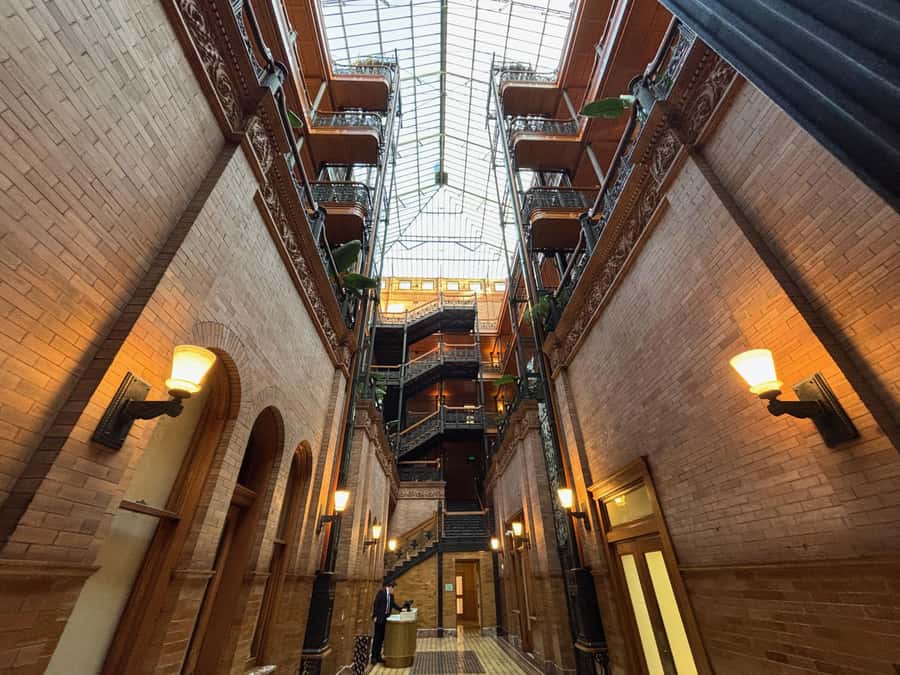
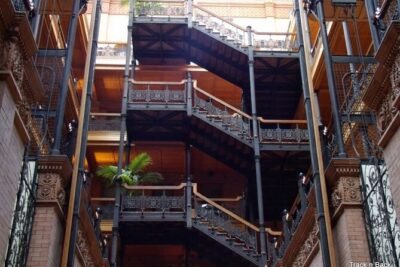
The Bradbury Building is likely the architectural high point. Its interior is known for intricate metalwork, stairs, balconies, and a strong sense of vertical space. The stop is scheduled for about 20 minutes, enough time to pause rather than rush in, take pictures, and hear why the building matters.
This is one of the places where a guide adds real value. A quick visit might leave you with attractive photographs. A good explanation helps you notice how light, ironwork, stairs, and open galleries work together. The building also carries a strong film connection, which makes it especially appealing if you enjoy seeing locations that have helped shape screen versions of Los Angeles.
Bring a camera, but do not let the camera replace your attention. Look upward, check the balconies, and notice how the building’s design draws your eye through the interior. The supplied details do not specify every photography rule, so follow any instructions given on site.
The Last Bookstore adds a quirky modern counterpoint
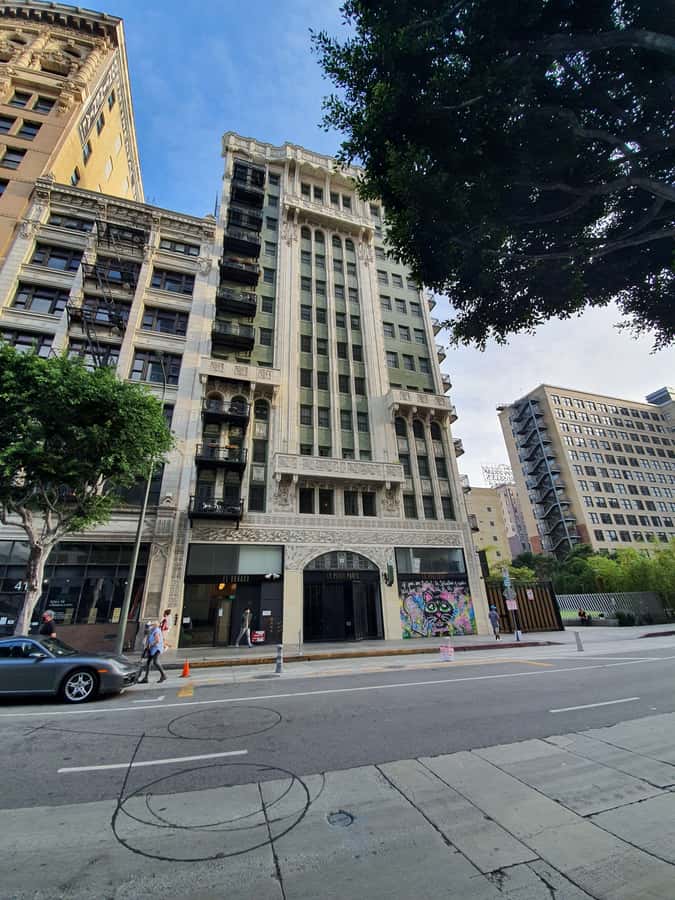
The Last Bookstore is another scheduled 20-minute stop and a sharp contrast to the formal architecture elsewhere on the route. Its appeal comes from its unusual setting and creative presentation, not from being another historic facade.
The stop gives you time to see a contemporary downtown attraction that grew from the district’s revival. It also shows how old spaces can support new cultural uses. The guide can connect the bookstore to the wider discussion about creativity, reuse, and the changing Historic Core.
This is not a full shopping visit. Twenty minutes is enough for a look and some photographs, but you may want to return afterward if you plan to browse seriously. The bookstore works best as a pause between architectural landmarks, giving the tour a little humor and a less formal tone.
The Historic Core and downtown’s next chapter
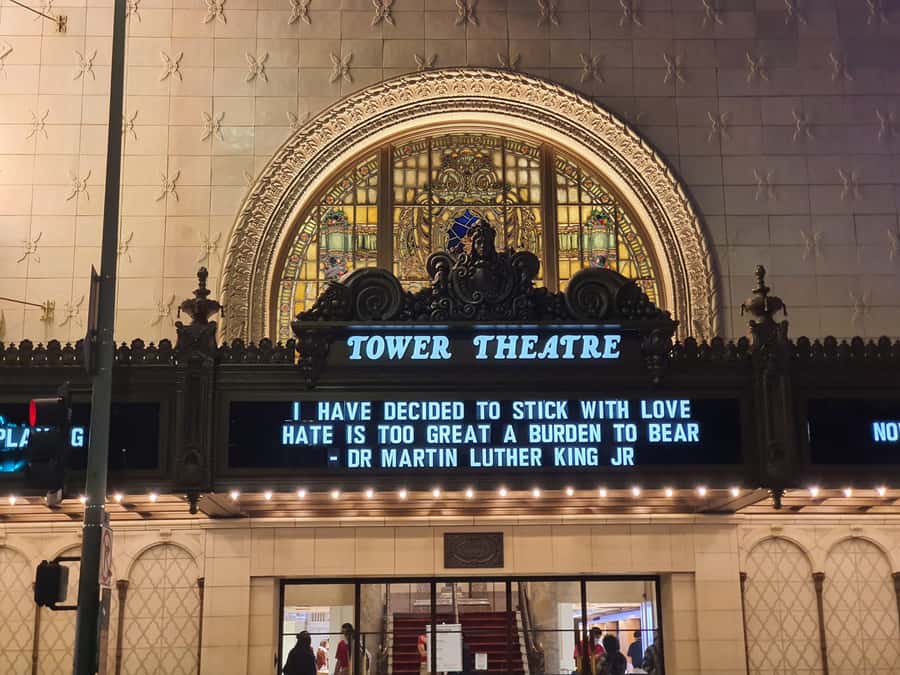
The revitalized Historic Core ties the route together. Here, older buildings and newer creative uses sit close together, showing how DTLA continues to change. The guide discusses the area’s commercial past and its current effort to turn underused spaces into places for work, culture, food, and social life.
The discussion of future plans is a useful detail. You are not limited to a backward-looking tour about old theaters and famous names. You also hear how people think about the next phase of downtown. That makes the route worthwhile for anyone interested in city planning, not just architecture fans.
Still, the experience will not suit everyone equally. If you want a tightly scripted list of attractions with long interior visits at every stop, the conversational format may feel less predictable. If you prefer a guide who adapts the discussion and explains why a district works the way it does, this is a better match.
What $30 buys you
At $30 per person, the tour is reasonably priced for 150 minutes of guided walking in central Los Angeles. You get a structured route through several major downtown areas, an English or French-speaking live guide, and a chance to ask questions instead of relying on a recorded audio tour.
The value improves if you care about context. A person who only wants quick photographs could visit some of these places independently. The guide earns the fee by connecting them: Bunker Hill with transport, Broadway with movie culture, the Bradbury Building with design, and the Last Bookstore with downtown’s newer creative identity.
A private group option is available. That can be useful if your party has a particular interest in architecture, film, or urban planning and wants the conversation shaped around it. The standard experience may be a better deal for solo visitors or couples who want a guided introduction without arranging a separate private tour.
One practical caution: the advertised duration is 150 minutes, but the walk may run longer. Allow extra time after the tour rather than scheduling a tight lunch, show, or museum booking immediately afterward.
Who will enjoy this walk most
I would choose this tour if you want to understand DTLA rather than simply collect landmark photos. It suits first-time visitors who need a clear introduction, architecture fans who want design explained in plain language, and Los Angeles residents looking for a new reading of downtown.
It is also a good fit for film lovers. The theater district, old Hollywood links, and screen associations give the route plenty of recognizable hooks. The tour does not reduce the city to celebrity trivia, though. You get the buildings and the broader story together.
Families with very young children should look elsewhere, since children under 6 are not accepted. The tour is also not suitable for wheelchair users or people with mobility impairments. The route includes sustained walking through city streets, so anyone with foot, heat, or balance concerns should consider the physical demands carefully.
For the best experience, dress for the forecast and bring comfortable shoes. A hat, sunscreen, water, and camera are specifically useful. If you speak French, you can ask about that language option when booking. English is also available.
Should you book the Downtown History and Architecture Walking Tour?
Book it if you want a thoughtful guide, strong architecture, and movie history in one route. The Bradbury Building, Broadway theaters, Angels Flight, Grand Central Market, and the Last Bookstore give you a varied two-and-a-half-hour look at downtown rather than a single-theme stroll.
I would be especially happy choosing it early in a Los Angeles visit. It gives you a map in your head, points out places you may want to revisit, and explains why DTLA feels like several cities layered together. The guide’s European perspective and interest in urban design add something different from a standard Hollywood tour.
Skip it if you need a short, fully accessible route, dislike extended walking, or want guaranteed long visits inside every landmark. For most visitors who enjoy architecture, film, and lively conversation, $30 is a fair price for a focused introduction to central Los Angeles.
FAQ
How long does the tour last?
The stated duration is 150 minutes, or two and a half hours. It may run longer, so leave some flexibility in your schedule.
Where does the tour start?
The available starting points are the Grand Central Market parking garage and the Los Angeles Central Library. The exact meeting point depends on the option booked.
Where does the tour finish?
The listed drop-off points are the Central Library and Hotel Per La, Autograph Collection.
Which languages are available?
The live tour guide is available in English and French.
Is this a private tour?
A private group option is available. Check the booking choice for the group arrangement that applies to your reservation.
What places are included?
The route includes Downtown Los Angeles, Angels Flight Railway, Grand Central Market, the Bradbury Building, the Last Bookstore, the Broadway Theater District, Bunker Hill, and the Historic Core.
What should I bring?
Bring comfortable shoes, a hat, a camera, sunscreen, and water. Check the weather forecast and dress appropriately.
Is the tour suitable for children or wheelchair users?
Children under 6 are not accepted. The tour is not suitable for people with mobility impairments or wheelchair users.
More history tours in Los Angeles
- Natural History Museum of Los Angeles County Admission
★ 4.5 · 111 reviews - The History and Architecture of Downtown Los Angeles
★ 5.0 · 94 reviews - Downtown Los Angeles History and Architecture Walking Tour
★ 5.0 · 93 reviews - Malibu: Celebrity Homes, Beaches & History Tour
★ 4.7 · 86 reviews
Just added around Los Angeles
- Photo Tour of Los Angeles for Social Media★ 5.0 · 11 reviews
- Pacific Coast Highway: Smartphone Audio Tour, LA to Santa Maria★ 4.0 · 13 reviews
- Pasadena Puzzle Adventure: Stop the Bomb!★ 3.5 · 5 reviews
- Outdoor Escape Room in LA – Little Tokyo★ 5.0 · 7 reviews
- 3.5-Hour LA Story Tour: Our Most Popular Los Angeles Tour!★ 5.0 · 4 reviews
- 2 Day Beginner Surf Adventure★ 5.0 · 26 reviews
- Getty Center Tours for KIDS and FAMILIES!★ 5.0 · 5 reviews
- Private 3-Hour Hollywood to Beverly Hills Tour★ 5.0 · 5 reviews
Downtown Los Angeles Tours, compared.

The History and Architecture of Downtown Los Angeles
Read our review →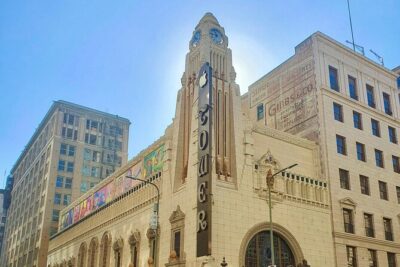
Downtown Los Angeles History and Architecture Walking Tour
Read our review →
The History and Architecture of Downtown Los Angeles
Read our review →
Browse the lists this tour appears in