
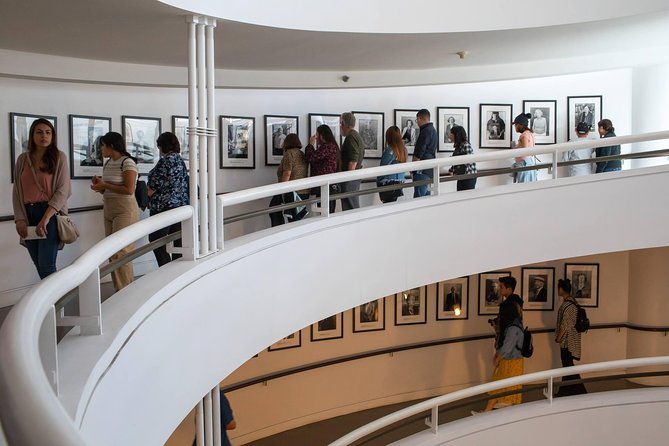
Reviewed · LOS ANGELES MUSEUMS AND GETTY TOURS
Skip the Line: General Admission Museum of Tolerance Ticket
The most important thing to know about the Museum of Tolerance is that this is not a light museum stop. It asks you to face the Holocaust, antisemitism, and present-day prejudice through exhibits and educational programs. I like its clear human-rights purpose, and I like that it connects historic events with discrimination you can still see today.
I also like the flexibility of a one- to two-hour visit and the convenience of a mobile ticket. The main drawback is the ticket claim: there may be no actual line to skip, and same-day online tickets can cost more than buying directly at the museum. Save your confirmation screen, because finding the ticket details at the entrance can be frustrating.
Key points to know before you go
- The Holocaust exhibit is the emotional center: Expect serious material, artifacts, and a clear focus on how prejudice can become organized persecution.
- The museum also looks at current discrimination: The Here and Now material connects antisemitism and other forms of bias to the present.
- Plan for one to two hours: You can make a meaningful visit in that time, but a guide or program may require more attention.
- The skip-the-line wording needs caution: There may be no conventional queue, so compare the online price with the museum’s direct admission.
- Security is part of arrival: Allow time for entry screening, and be prepared for a possible car search when parking.
- Bring your mobile confirmation: A screenshot can save time if the ticket is difficult to locate at the door.
Why this Los Angeles museum matters
Los Angeles has plenty of museums built around art, entertainment, and popular culture. The Museum of Tolerance takes a different path. It functions as a human-rights laboratory and educational center, using the Holocaust as a starting point for a wider discussion about prejudice, discrimination, and moral responsibility.
That purpose shapes the visit. You are not simply looking at objects in glass cases and moving on. The museum asks you to think about how antisemitism grows, how groups are treated as outsiders, and how ordinary people respond when discrimination becomes public policy or social habit.
I find that focus useful because it gives the Holocaust exhibit a wider frame without treating other subjects as equal substitutes. The Holocaust remains central, but the museum also considers the Jewish diaspora, contemporary antisemitism, and other forms of bigotry.
The subject matter is painful. That is part of the point, but it also means this may not be the right stop for a rushed morning or a young child who is not ready for difficult material. Go when you have enough time and attention to take the exhibits seriously.
More museums and galleries in Los Angeles:
- Los Angeles: Petersen Automotive Museum Entry & Vault Access
★ 4.8 · 264 reviews - Los Angeles: Battleship Iowa Museum Ticket
★ 4.6 · 249 reviews - La Brea Tar Pits and Museum Admission Ticket with Excavator Tour
★ 4.5 · 193 reviews
Starting at the Museum of Tolerance

Your only scheduled stop is the Museum of Tolerance itself. General admission gives you access to the museum’s exhibits and events, with the visit usually taking about one to two hours.
The museum is near public transportation, which helps if you are moving around Los Angeles without a car. If you drive, prepare for security screening at the entrance and a possible search of your vehicle in the parking area. That can slow down arrival, so do not plan to walk in at the last minute.
Security procedures may feel more noticeable here than at a typical museum. I would treat them as part of the visit rather than a surprise. Keep your phone ready, have your confirmation available, and allow a little extra time before entering the galleries.
The mobile ticket is convenient in theory. In practice, ticket details can be hard to find once you reach the museum. Take a screenshot of the confirmation as soon as you book. That small step may prevent you from having to purchase admission again at the door.
The Holocaust exhibit deserves your full attention
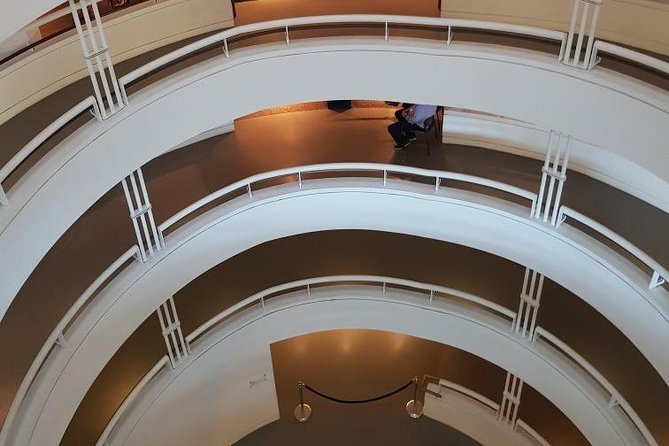
The Holocaust section is the strongest reason to visit. It presents the genocide in historic context and uses artifacts and displays to make the subject more immediate than a textbook account.
You may find the material disturbing, and it should be. The exhibit is designed to show the human cost of antisemitism and the way discrimination can move from words and social exclusion toward organized violence. Give yourself time to read instead of treating the galleries as a quick checklist.
I especially value the fact that the museum is not limited to a distant account of the past. It encourages you to consider how prejudice works and what happens when people accept it as normal. That makes the visit relevant even if you have studied the Holocaust before.
Several people have found artifacts here that they had never seen before. That matters because familiar facts can become abstract. A personal object or carefully presented document can bring the scale of the subject back to individual lives.
The exhibit works best when you move at a steady pace and let each section register. If you are visiting for a college assignment, school project, or family discussion, plan on pausing often. The museum rewards attention more than speed.
The Here and Now section connects past and present
The Here and Now material examines current antisemitism and other forms of discrimination. This section gives the museum its present-day purpose, linking the lessons of the Holocaust to the choices people face now.
I like the idea behind this section because it prevents the Holocaust from being treated as a sealed chapter. The museum wants you to recognize patterns of exclusion and prejudice in modern life, not just remember dates and events.
The quality of the presentation may vary during your visit. Some displays or parts of the section may not be operating, and the material can feel less complete than the Holocaust exhibit. That is worth knowing if you are booking mainly for a broad survey of current discrimination.
Still, I would not skip it. Even a shorter or less polished section can help you connect the museum’s historic material to its human-rights message. Just set your expectations correctly. The Holocaust exhibit is likely to make the strongest impression, while Here and Now offers the contemporary frame.
More attraction passes and tickets in Los Angeles:
- Universal Studios Hollywood General Admission Ticket, California
★ 4.0 · 1,489 reviews - Madame Tussauds Hollywood Tickets
★ 4.6 · 516 reviews - Skip the Ticketing Line: Aquarium of the Pacific General Admission Ticket
★ 4.5 · 485 reviews - Battleship IOWA General Access Pass
★ 5.0 · 269 reviews
Events, speakers, and the need to check details
The museum holds events and educational programs that explore prejudice, discrimination, and the Holocaust. These can add a personal voice to the visit, but do not assume that a listed speaker will be a Holocaust survivor who lived through the camps.
That distinction matters. A speaker may discuss the subject, support the program, or represent a younger educational group without being a camp survivor. If hearing survivor testimony is important to you, check the exact event details before you arrive.
It can also be difficult to locate a particular presentation inside the museum. Visitors have missed a desired talk after being directed toward a high-school volunteer program instead. I would ask staff for the precise room and start time as soon as you enter.
A guide may also help you understand the exhibits better. One useful comment from a museum visit was that a guided tour gave clearer context than walking through alone. No guide names or fixed guided-tour schedule are provided here, so you should not count on a named guide or a particular talk unless the museum confirms it.
How long to stay and how to pace the visit
The stated duration is about one to two hours. That is enough for a focused visit, especially if you concentrate on the Holocaust galleries and then continue to the contemporary material.
I would plan closer to the longer end if you read every panel or attend an event. A shorter visit may work if you want an introduction, but rushing through difficult content reduces much of the value.
The museum experience can also be affected by crowd behavior. People moving ahead of one another or skipping sections can make the walkthrough feel disjointed and distracting. You cannot control the pace of other groups, but you can choose a quieter time if the museum offers that option when you book directly.
For a college assignment, allow time to take notes after the exhibit rather than trying to record everything while standing in the galleries. For families, agree beforehand that the visit will include serious discussion, not just a quick museum stop between other Los Angeles attractions.
Is the mobile ticket a good value?
The value depends on the price you receive and the convenience you need. A mobile ticket is useful when you want confirmation in advance and prefer not to arrange admission at the museum. It can also help you fit the visit into a busy Los Angeles schedule.
However, one important warning is that buying in person may be cheaper. The skip-the-line wording can also be misleading because there may be no normal line at the entrance. In that case, the online ticket is buying convenience rather than saving a long wait.
Compare the final online price with the museum’s direct price before paying. If the difference is small, the mobile confirmation may be worth it. If the online price is higher and you are already nearby, buying at the museum could make more sense.
The non-refundable policy makes this comparison more important. Once purchased, the ticket cannot be canceled or changed for any reason. Check your timing, admission details, and price before completing the booking.
Who will get the most from this visit
I would recommend the museum to adults, older students, educators, and anyone who wants a serious look at the Holocaust and discrimination. It is especially useful if you want more than a general museum visit and are prepared to think about difficult moral questions.
It can work well for families, but parents should decide if the subject suits their children. The museum deals with persecution and human suffering, so younger children may need careful preparation and conversation afterward.
The visit also suits people studying Jewish history, antisemitism, human rights, or modern prejudice. The inclusion of the Jewish diaspora gives the museum a wider cultural frame, while the Here and Now section makes the subject current.
You may be disappointed if you expect an entertainment-focused attraction, a polished audio tour, or a guaranteed survivor testimony. You may also find the staff or security procedure less welcoming than expected. The museum’s subject is important, but the visitor experience is not perfect in every detail.
Practical tips for a smoother visit
Keep these points in mind:
- Save the ticket confirmation: A screenshot is safer than relying on an app or trying to locate an email at the entrance.
- Compare prices: Check the direct admission price before booking online.
- Do not count on a long queue: The skip-the-line label may not offer a real time-saving advantage.
- Allow for security: Parking and entry may include vehicle or bag screening.
- Ask about events immediately: Confirm the room, time, and speaker details before starting the galleries.
- Consider a guide: A guided visit may provide better context than walking through without help.
- Leave room for reflection: The Holocaust material is heavy, and a rushed schedule can make the experience harder to process.
The gift shop is another pleasant stop after the exhibits. It offers reasonably priced items, so you may want to leave a few minutes for it rather than heading straight out.
Should you book the Museum of Tolerance ticket?
Book it if you want a serious, educational visit focused on the Holocaust, antisemitism, the Jewish diaspora, and present-day discrimination. The Holocaust exhibit and the museum’s clear human-rights purpose are the strongest reasons to go.
Before booking, compare the mobile price with direct admission and remember that the ticket cannot be refunded or changed. If you choose the online option, save a screenshot and allow time for security. The museum is not always effortless to navigate, and some current-discrimination displays or programs may fall short of expectations.
For the right visitor, this is a worthwhile Los Angeles stop. Go with time, patience, and a willingness to engage with difficult material. If you want a quick attraction with no emotional weight, choose something else.
FAQ
How long does a visit to the Museum of Tolerance take?
The visit takes approximately one to two hours, depending on how carefully you read the exhibits and whether you attend an event or program.
What does general admission include?
General admission includes entry to the Museum of Tolerance and its exhibits and educational material. The Holocaust and contemporary discrimination subjects are central to the visit.
Is the ticket mobile?
Yes. This experience provides a mobile ticket. Save a screenshot of your confirmation before arriving.
Is there really a line to skip?
There may be no conventional line at the museum entrance, so the skip-the-line wording may not provide a major time advantage.
Can I buy admission at the museum?
Yes, admission can be purchased at the museum. The direct price may be lower than the online price, so compare before booking.
Is the ticket refundable?
No. The ticket is non-refundable and cannot be changed after purchase.
Are service animals allowed?
Yes, service animals are allowed.
Is the museum near public transportation?
Yes, the museum is near public transportation.
Can most people participate?
Yes, most travelers can participate in the experience.
Will I hear testimony from a Holocaust survivor?
Do not assume that a speaker will be a Holocaust survivor who lived through the camps. Confirm the exact event and speaker details with the museum before your visit.
More skip-the-line entries in Los Angeles
- Skip the Line: Express Ticket at Universal Studios Hollywood
★ 4.5 · 1,144 reviews
Just added around Los Angeles
- Photo Tour of Los Angeles for Social Media★ 5.0 · 11 reviews
- Pacific Coast Highway: Smartphone Audio Tour, LA to Santa Maria★ 4.0 · 13 reviews
- Pasadena Puzzle Adventure: Stop the Bomb!★ 3.5 · 5 reviews
- Outdoor Escape Room in LA – Little Tokyo★ 5.0 · 7 reviews
- 3.5-Hour LA Story Tour: Our Most Popular Los Angeles Tour!★ 5.0 · 4 reviews
- 2 Day Beginner Surf Adventure★ 5.0 · 26 reviews
- Getty Center Tours for KIDS and FAMILIES!★ 5.0 · 5 reviews
- Private 3-Hour Hollywood to Beverly Hills Tour★ 5.0 · 5 reviews
Los Angeles Museums and Getty Tours, compared.

Petersen Automotive Museum Entry & Vault Access
Read our review →

La Brea Tar Pits and Museum Admission Ticket with Excavator Tour
Read our review →
Private Getty Center to Griffith Observatory Guided Tour
Read our review →

Hollywood Medieval Torture Museum Ticket with Ghost Hunting
Read our review →
Natural History Museum of Los Angeles County Admission
Read our review →
Browse the lists this tour appears in