
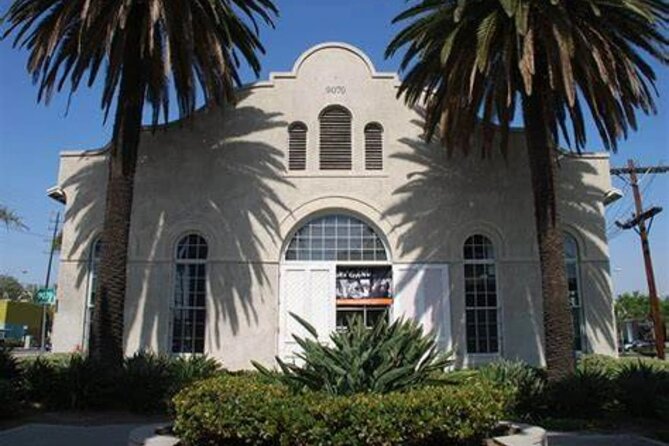
Reviewed · LOS ANGELES SELF-GUIDED AUDIO TOURS
Los Angeles’ Dreamland: A Culver City Audio Tour
Culver City’s movie story is the star here. This self-guided walk connects Harry Culver’s original town center with the former MGM studio grounds, Sony Pictures’ front gate, the Kirk Douglas Theatre, Hobbit Houses, old watering holes, and small public artworks. The narration, voiced by Manny, mixes film lore with personal memories of growing up in the city.
I like the freedom to stop and explore, especially since you can pause the audio for a shop, meal, or photo. I also like the price: $8.99 buys lifetime access, offline maps, and an audio route for your whole private group. The main drawback is the app itself. Some people have found the spoken directions glitchy or briefly lost the route, so keep the map open and do not rely on audio alone.
Key points to know before you go
- Start at the Culver Hotel: Harry Culver’s story begins the walk and puts you in the middle of downtown.
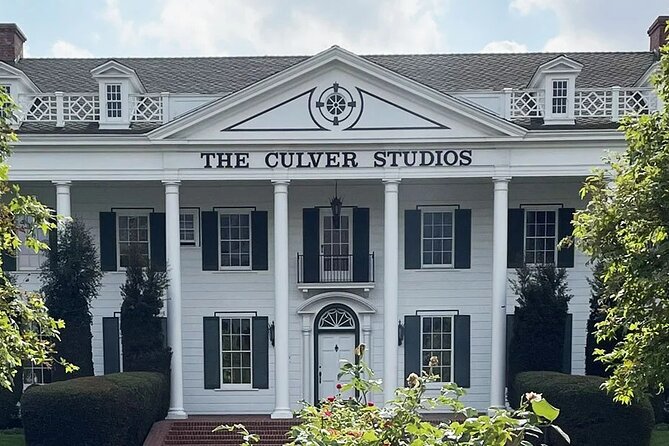
- Follow movie history outdoors: The route passes Culver City Studios, the Sony Pictures gate, the Kirk Douglas Theatre, and film-related public art.
- Hear Manny’s local perspective: The narration includes personal stories as well as facts about actors, studios, and old Culver City.
- Plan for about 75 to 90 minutes: You can move faster, pause often, or stretch the walk to several hours.
- Use the map as well as the audio: Directions can be unclear at times, especially when the signal or app behaves badly.
- Bring comfortable shoes and water: This is a walking tour through streets, alleys, and busy traffic areas, not a ride between sights.
Why Culver City makes a good film-history walk
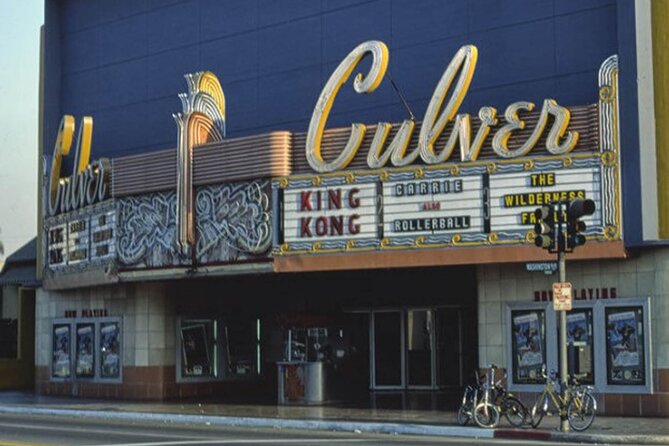
Culver City is compact enough to explore on foot, yet its movie story reaches far beyond a few studio gates. The town was shaped by developer Harry Culver, whose name still appears on the city map, and by the film companies that turned the area into a workplace for actors, directors, writers, and crews.
This tour works because it does not treat film history as something locked inside a museum. You walk past buildings, streets, public art, bars, theaters, and studio entrances while the audio explains what happened there. That gives you a useful sense of place. You are not simply hearing that a famous studio once operated nearby. You are standing in the same downtown area where the studio economy influenced daily life.
The format also suits an afternoon with no fixed group departure. The tour is private in the practical sense that only your party participates. You start at the Culver Hotel, follow the route through central Culver City, and finish back at the starting point.
The advertised walking time is about one hour and 15 minutes to one hour and 30 minutes. That is a realistic base pace, not a strict appointment. One person took about three hours by walking slowly and spending extra time along the route. You can stop the narration, look around, eat, or take pictures without holding up a guide.
More self-guided audio tours in Los Angeles:
- Los Angeles: Hop-On Hop-Off Bus Tour with Audio Guide
★ 3.7 · 2,030 reviews - City Sightseeing Hop-On Hop-Off Bus Tour with Audio Guide
★ 3.0 · 1,083 reviews - 30-Minute Luxury Driving Tour: Explore Hollywood in a Ferrari
★ 5.0 · 676 reviews
Starting beside the Culver Hotel
The tour opens next to the Culver Hotel at 9400 Culver Boulevard. This is a smart starting point because it puts you near restaurants, bars, public spaces, and the center of the town’s old movie identity.
The first subject is Harry Culver, the developer after whom Culver City is named. His role gives the route a useful beginning. Instead of starting with a random building, the narration explains how the suburb got its identity and why this particular corner became important.
You should allow a few minutes to get oriented before pressing ahead. The hotel is also a convenient place to arrange your parking and pre-tour meal. Underground parking is available there, with the first hour free and additional time charged at $3 per hour, according to the practical information supplied for the experience. That detail matters if you plan to linger before or after the walk.
Because the tour begins and ends at the same place, you do not need to organize a return ride from another part of town. You can also pair the walk with brunch, dinner, or a drink nearby. Food and drinks are not included, so treat those as separate plans.
Downtown streets, alleys, and Culver City Studios
From the hotel, the route winds through downtown Culver City. It does not stay only on the biggest streets. Part of its appeal is the use of smaller streets and alleys that are easy to miss from a car.
That pedestrian focus changes what you notice. You can look up at buildings, stop beside murals and public art, and take in details that would pass by in traffic. The audio continues as you move, with the app using your location to trigger sections of narration.
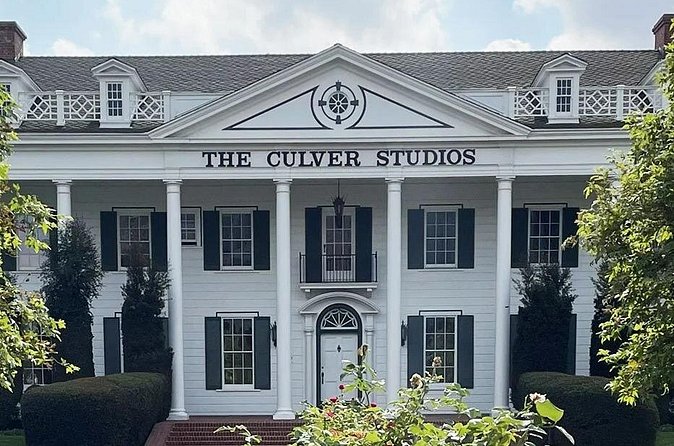
The route passes Culver City Studios, one of the major movie landmarks in the area. You do not receive a guided studio tour, and you should not expect entry to the working or historic attractions mentioned along the way. The value is in the outside view and the story tied to the place.
Manny’s narration is especially useful here because it brings together the present-day streets and the older movie world. He explains what used to be in certain spots and connects local sites with actors, productions, and the people who worked around the studios.
The route is not a straight march from one famous stop to the next. You may pause to enter a shop or grab food, then restart the audio. That flexibility is one reason this works well for an afternoon walk rather than a tightly timed sightseeing block.
Media Park and the Actors Gang Theatre
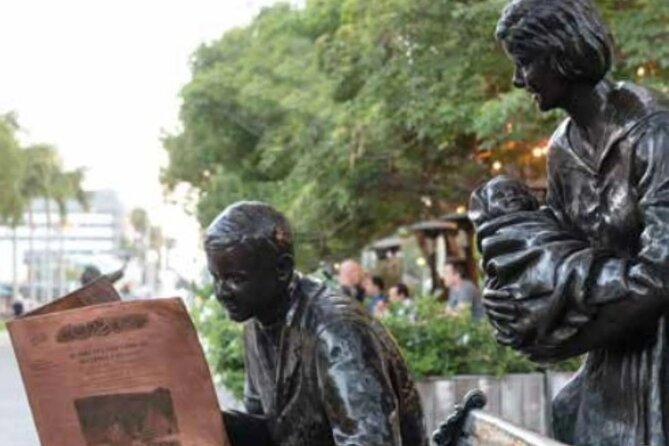
The route continues through Media Park, where you pass the Actors Gang Theatre. This stop gives the tour a wider view of Culver City’s performing-arts identity.
The theatre is part of the same story as the studios, but it represents live performance rather than film production. The audio helps connect these different parts of the city’s entertainment culture. You are still walking through ordinary public streets, but the narration points out why certain places matter.
Since the tour does not include admission to attractions, check your expectations. The experience is an outdoor audio walk. If you choose to enter a theatre, museum, or other attraction along the way, any admission cost is your responsibility.
That limitation is not a serious problem for a first visit. You can use the tour as an introduction, then decide which places deserve a separate visit. It is also useful for people who prefer not to spend the whole day indoors.
A different kind of day out around Los Angeles:
- Full-Day Iconic Sights of LA, Hollywood, Beverly Hills, Beaches and More
★ 5.0 · 6,147 reviews - Warner Bros. Studio Tour Hollywood
★ 4.5 · 5,246 reviews - Hollywood, Beverly Hills & Celebrity Homes Tour by Open Air Bus
★ 5.0 · 2,557 reviews - Hollywood Sign 2.5-Hour Tour with Comedians and Their Dogs
★ 5.0 · 2,496 reviews
Citizen Public Market and Culver City’s food stops
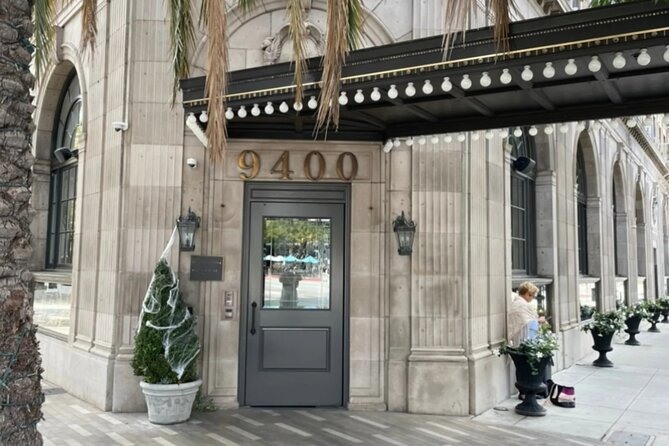
Citizen Public Market adds a practical local stop to the route. This is a good place to pause if you want to turn a history walk into a longer downtown outing.
Food and drink are not part of the $8.99 price, but that is also part of the tour’s flexibility. You are not tied to a set menu or a scheduled restaurant stop. You can listen through the market, pause the narration, eat, and continue when ready.
The route also points out other dining spots and local watering holes. That makes the walk useful even if you have already visited Culver City for a meal. You get a better sense of how the downtown blocks fit together, instead of seeing only the restaurant you came for.
Keep in mind that traffic noise can affect the audio. One section along a busy road was harder to hear. Headphones help, but you may still want to pause in noisier stretches and replay a sentence once you reach a quieter corner.
Bars, speakeasies, and the workday movie crowd
The Seventy 7 Speakeasy and the Backstage Bar are among the stops that give the tour some personality. The narration explains their connection with actors and studio workers seeking a drink, a meal, or a break from demanding production schedules.
These places help make the movie story feel less abstract. Hollywood history is not only premieres and famous names. It also involves people eating lunch, slipping away from work, meeting colleagues, and finding a little privacy during a long day.
The tour points out which local places still serve as watering holes. You should not assume a drink or a table is included. If you want to stop, budget extra time and money, and check the venue’s current operating details separately.
I like this part of the route because it keeps the tone grounded. You hear about celebrity careers and private lives, but the setting is a bar or a street corner rather than a formal exhibit. The result is more conversational than a list of studio dates.
The Culver City Clock, Zoetropes, and Alandales
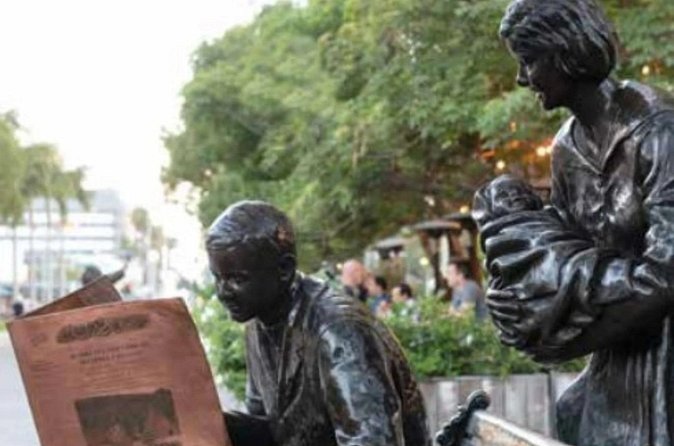
The Culver City Clock, the Zoetropes of Culver City, and Alandales are passed during the walk, with the audio explaining each one as you go.
These smaller landmarks matter because they break up the larger studio story. You are not simply moving between hotel, theatre, and studio gate. Public art and unusual street features give you reasons to look closely at the downtown blocks.
The app is designed to play information based on your location, but you can also use the map and manually start a section. That backup method is important. One person found the verbal directions confusing when the app indicated the wrong street. Another had a short audio cutout after a direction and had to use the map to recover.
For that reason, download the tour before setting off and keep the route visible. Offline access to the audio, map, and geographic data is included, which reduces the need to depend on a live connection. You still need your own smartphone and headphones.
The Kirk Douglas Theatre and the Hobbit Houses
The Kirk Douglas Theatre is another notable stop. The building was once used for secret, unannounced previews, where audience reactions could help gauge how a film was working.
That small detail shows how movie production affects more than studio lots. A theatre in the middle of town could serve as a testing ground for films before the public saw them. The stop also gives the tour a chance to explain the local performance scene beyond the studio gates.
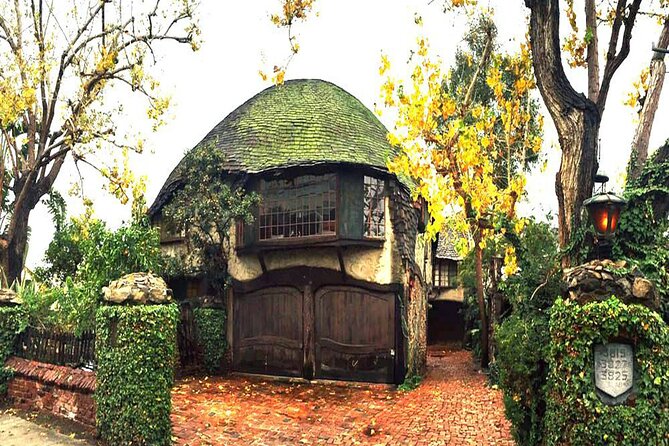
You then learn about the Lawrence and Martha Joseph Residence and Apartments, better known as the Hobbit Houses. The narration identifies celebrities connected with these unusual homes.
The Hobbit Houses add architectural interest to the route. They also show how Culver City’s film identity appears in residential places, not only in official entertainment buildings. This is the kind of stop you might easily pass without knowing why it matters.
One useful warning: landmarks can change. A Laurel and Hardy mural once connected with the route is no longer there, so do not assume every older visual reference will still look exactly as described. The audio can preserve the story even when a piece of public art disappears.
The MGM and Sony Pictures front gate
The MGM and Sony Pictures front gate is the tour’s biggest film landmark. The narration points out where stars such as Marilyn Monroe, Brad Pitt, and Leonardo DiCaprio drove through on their way to work.
This is not a studio lot tour. You are viewing the gate from the public route, learning about the people and productions tied to it. That distinction matters if you want behind-the-scenes access. The experience offers context and storytelling, not entry into the studio.
The stop also broadens the focus beyond old Hollywood. The stories cover film figures from different eras, including careers, private lives, and occasional illegal activity. The tone is not just a polished celebration of famous names. It includes the less tidy parts of the entertainment business.
For movie fans, this is likely the main payoff. For anyone less interested in celebrity lore, the route still works because the gate is part of Culver City’s physical identity. You can see how a working studio sits alongside downtown streets, shops, restaurants, and residential buildings.
The Lion’s Fountain and famous film cats
The Lion’s Fountain closes out the route with a lighter piece of movie trivia. The narration explains which famous film felines are represented there.
This is a small stop, but it fits the tour’s style. Culver City’s movie story is built from major studios, famous actors, local theatres, public art, and odd details that reward attention. The fountain gives you one last reminder that not every film reference involves a human star.
Because the walk loops back to the Culver Hotel, you can finish with a meal or drink nearby. That makes the route easy to fit into a half-day plan without arranging transportation between the final stop and your next activity.
How the VoiceMap app works in practice
The tour includes lifetime access in English through the VoiceMap app for Android and iOS. You receive offline audio, maps, and geographic data, but you must supply the smartphone and headphones.
The app lets you move at your own speed. You can pause for food, shopping, photos, or a closer look at a landmark. You can also replay a section if traffic or a poor connection makes it hard to hear.
The technology is the weak point. Direction prompts have occasionally been confusing, and audio has cut out briefly. These problems are recoverable if you keep the map open and know the general shape of the route.
I would not start this walk with a nearly empty phone battery. The supplied information does not specify battery requirements, but the experience depends on your phone, so basic preparation makes sense. Download the content in advance, bring headphones, and glance at the map at street crossings.
The tour is offered in English only. Most people can participate, and the activity is private for your group. It is not a guided museum visit, and no transportation is included.
Is $8.99 a good value?
At $8.99 per person, the price is low for a private audio experience that includes lifetime access. If you are splitting the cost among a small group, the value can be even better, though each person still needs a way to hear the narration.
You are paying for the route, storytelling, app access, and map data. You are not paying for food, drinks, parking, studio admission, theatre admission, or any other personal expense.
The strongest value comes from flexibility. A scheduled walking guide would normally set the pace and end time. Here, you can stop for brunch, take a break, or stretch the walk to three hours. You can also use the route again later because access is not limited to one day.
The price is less compelling if you expect an escort, inside access, or polished turn-by-turn navigation. This is best understood as a low-cost audio guide with a planned route, not a substitute for a live guide or studio tour.
Who should book this Culver City walk?
I would choose this tour if you like movie history, local stories, public art, and independent exploring. It is also a good option when you have an out-of-town friend and want an easy way to show the city beyond the standard Los Angeles sights.
You do not need to be an expert on old films, but familiarity with classic movies and television may make some references more enjoyable. The stories include celebrities, studios, bars, theatres, and film cats, so the subject matter stays broad.
This is less suitable if you dislike using a phone while walking, need perfectly precise spoken directions, or want to go inside every attraction mentioned. It also requires comfortable shoes and water. The route can take longer than expected when you stop often, and busy streets can make the audio harder to hear.
The free cancellation policy is helpful: cancel at least 24 hours before the local start time for a full refund. Cancellations or changes made within 24 hours are not refunded or accepted.
Should you book it?
Book Los Angeles’ Dreamland if you want an inexpensive, flexible look at Culver City’s film identity without joining a group or following a guide’s timetable. Manny’s narration, the Sony Pictures gate, the Hobbit Houses, the theatres, public art, and old watering holes give the walk plenty of variety.
Go in prepared for a few app quirks. Keep the map visible, download the audio, wear comfortable shoes, and allow extra time for food or stops. If you can handle that small amount of self-navigation, this is a useful way to see Culver City on foot and notice details you would probably miss from a car.
FAQ
Where does the tour start?
It starts at The Culver Hotel, 9400 Culver Boulevard, Culver City, California 90232.
Where does the tour end?
The activity ends back at the meeting point at The Culver Hotel.
How long does the audio tour take?
The estimated duration is about one hour and 15 minutes to one hour and 30 minutes. You can take longer by pausing or exploring along the route.
What language is offered?
The tour is offered in English.
Is this a guided group tour?
No. It is a self-guided private activity, and only your group participates.
What app do I need?
You need the VoiceMap app for Android or iOS.
Is offline access included?
Yes. Offline access to the audio, maps, and geographic data is included.
Do I need to bring my own phone and headphones?
Yes. A smartphone and headphones are not included.
Are food, drinks, or attraction admissions included?
No. Food, drinks, transportation, parking, and personal expenses for admissions are not included.
Can I cancel for a full refund?
Yes, if you cancel at least 24 hours before the experience start time. Cancellations made less than 24 hours before the start time are not refunded.
Just added around Los Angeles
- Venice Beach & Malibu View Boat Cruiser- Music Wine Sealions★ 5.0 · 3 reviews
- Private 4-Hour Limo Tour of Los Angeles and Beaches★ 5.0 · 6 reviews
- Yacht rental charter in Marina del Rey – 60′ CARVER★ 5.0 · 3 reviews
- 6-HourTour of Los Angeles, Hollywood, Beverly and other cities!!★ 5.0 · 6 reviews
- 4 hours Sailboat Tour for 2 people along the Los Angeles Coastline★ 3.5 · 3 reviews
- 5-Hour Tour , Los Angeles, Hollywood, Beverly Hills, and all over★ 5.0 · 10 reviews
- The OJ Simpson Tour★ 5.0 · 17 reviews
- Private 4-Hour Limo Tour of LA by a TV Personality with Drinks★ 5.0 · 8 reviews
Los Angeles Self-Guided Audio Tours, compared.

City Sightseeing Hop-On Hop-Off Bus Tour with Audio Guide
Read our review →
30-Minute Luxury Driving Tour: Explore Hollywood in a Ferrari
Read our review →
50-Minute Driving Tour: Explore Hollywood Sign in a Ferrari
Read our review →
30-Minute Driving Tour: Explore Hollywood in a Lamborghini
Read our review →
1-Hour Driving Tour from Hollywood to Beverly Hills in a Ferrari
Read our review →
20-Minute Driving Tour: Hollywood to Sunset Blvd in a Lamborghini
Read our review →
50-Minute Driving Tour: Explore Los Angeles in a Lamborghini
Read our review →Browse the lists this tour appears in